
The topic of data centers kept coming up again and again in 2025, and is guaranteed to remain a big topic of discussion throughout 2026. While we’ve discussed data centers before, there are still many aspects that reporters can explore. So today, let’s talk about some of the latest story angles related to data centers.
Private equity fuels data center growth
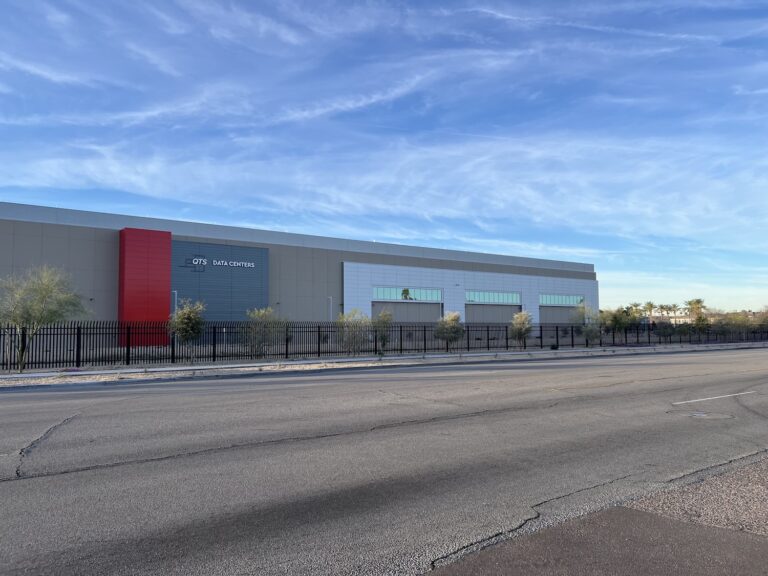
In the race to start profiting from artificial intelligence, private equity firms have been pouring billions into data centers. Blackstone, the world’s largest private equity firm, spent $10 billion in 2021 to acquire Quality Technology Services and take the data center firm private. Since then, Blackstone has poured even more millions into expanding QTS, and increased “its number of leased data centers ninefold in just under four years.” In total, Blackstone has spent an estimated $100 billion buying or lending to data centers, including QTS, “as well as investing in construction firms, natural gas power plants and the machinery needed to build them.”
As reported by the New York Times last June, Blackstone has “sunk more money into data centers and related infrastructure than into almost any other sector in the firm’s 40-year history.” Blackstone isn’t unique in this: many other private equity firms are doing the same. The flurry of announcements of new projects over the past couple of years has caused some experts to be concerned about the potential for “oversupply” that could create a bubble-like situation.
However, private equity firms and tech companies alike don’t seem too concerned about a potential bust. Blackstone says it sees strong demand and that, unlike building condos, it only starts building once it has a locked-in tenant with a signed 15-20 year “airtight lease” renting out its data center space. QTS tenants include Google and Meta, who each stated they would spend over $72 billion in 2025 on AI investments and infrastructure.
In addition, one major facet of the private equity model has many experts concerned: the exit strategy. Generally, private equity firms purchase a company, then sell it within 5-7 years to return profits to its investors. However, only a company as large as Blackstone could purchase the sheer volume of data centers it currently holds, and it’s easy to wonder if there will be “buyers for these enormous data centers once the private equity firms look to sell out.”
Community pushback
While private equity is still diving headfirst into the data center market, local communities are becoming more and more resistant to allowing these buildings in their backyard, causing a lot of friction with companies.
Data Center Watch reported that between May 2024 and March 2025, about “$64 billion worth of data center projects have been blocked or delayed amid local pushback.” A notable point in the report is that the backlash has been completely bipartisan across states and that even in business-friendly states like Texas, local and state government officials are supporting more regulations around data center development, likely due to public pressure from community members. As the report noted, “data centers are the new NIMBY flashpoint.” As one Trump voter in Oklahoma told the Washington Post, “We know Trump wants data centers and [the governor] wants data centers, but these things don’t affect these people. You know, this affects us.”
Community concerns include the potential for “higher utility bills, water consumption, noise, impact on property values, and green space preservation” without any real benefits to the community itself. For example, in Tucson, Arizona, a local fight is heating up over a data center proposal that now has the state’s Attorney General pushing back against the local power company, saying it’s lying about a deal it made with a data center developer about the rates it would pay. Local citizens and nonprofits are concerned that they are picking up the tab for the project, a tab that they are already unable to afford.
Check out where data centers are currently located using datacentermap.com.