
For a while, I did not know how to talk about journalism without sounding either panicked or uncertain. The profession has become both louder and quieter at the same time. And yet, in Philadelphia this May, at the SABEW26 Annual Conference, I kept finding reminders of why people still do this work.
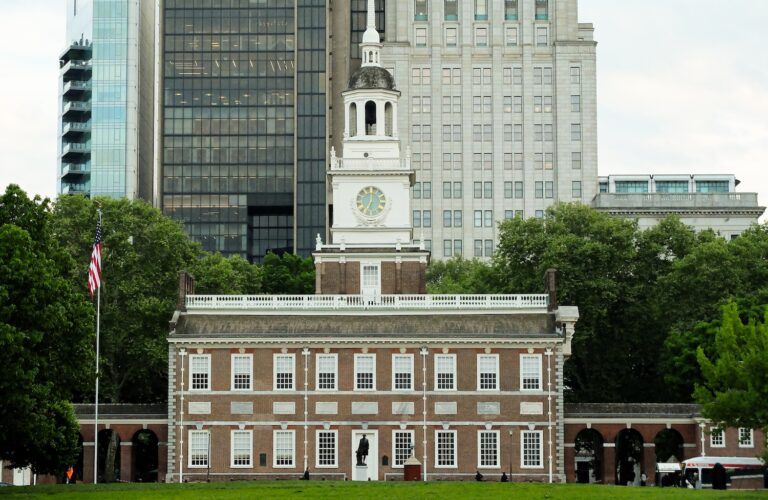
Phoenix does not really have spring the way the East Coast does. Earlier in the year, the temperature drops for a while, but the air is still dry. Philadelphia greeted me with the faint smell of water, unfamiliar trees blooming and old stone buildings. Mosaic murals stretched across entire walls. Historical markers along the sidewalks documented the city’s history of abolition, labor organizing and immigrant communities.
Those walks, for some reason, affected the way I experienced the conference.
There were conversations about artificial intelligence, social media strategy, investigative reporting and how journalism keeps people’s trust. Journalists discussed TikTok strategy in one room and sports betting in another. Someone explained inverted yield curves with a cello. Someone else talked about the rapid growth of sports betting and the problems growing with it.
At the end, we all seemed curious about what happens next as the way people produce and consume news changes so quickly.
Early Saturday morning, I had a one-on-one conversation with James Nelson, business editor at the Milwaukee Journal Sentinel. Around us, reporters and editors sat at round tables beneath oversized chandeliers, having their own one-on-one conversations. “We opened doors for each other,” he told me.
When people think about journalism, they often picture the lone reporter chasing a story. But as many speakers at SABEW26 pointed out, most reporting is built through teams: editors, producers, data reporters and mentors. Nelson told me to find journalists doing the exact kind of work I want to do and study them closely.
That conversation continued in “Beyond the Byline: New Media Strategies for Modern Journalism.” The panelists talked about experimenting with TikTok, Instagram, vertical video, humor, awkwardness, failure. For years, the journalism industry taught reporters to stay behind the story. Social media now asks almost the opposite. “Authenticity is really key because then you can kind of tell the story in your way,” said Stacey Vanek Smith, a columnist for Bloomberg Businessweek.
Another panel focused on reporting about data centers and energy infrastructure. The discussion moved through electric bills, noise pollution, shell companies, diesel generators and public subsidies. “Good old-fashioned shoe leather remains one of the most critical things that any of us can do. It’s one thing that AI can’t do,” said Ivan Penn, an energy correspondent for The New York Times.
Many sessions kept returning to the same thing: relationships, sourcing and showing up in person. A clerk willing to hand over a document. Residents complaining about a data center running behind their homes all night.
“Some of the greatest value we have in this field is our ability to cultivate human beings. It’s the one thing that will continue to keep you valuable beyond what technology can do. The one thing technology cannot do, at least at this point, is build relationships with people,” Penn said.
Philadelphia, in the rain-softened light of early May, felt like a good place to remember that.