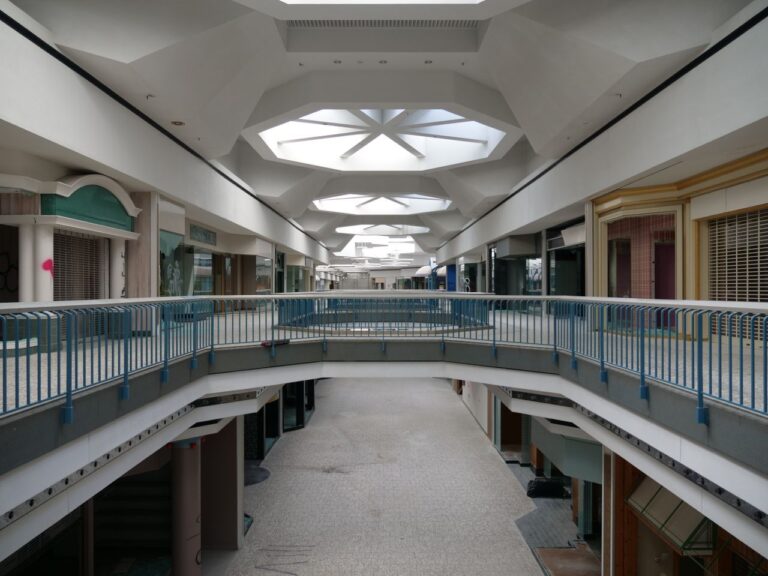
In Dothan, Alabama, local residents let a real estate developer know that instead of tearing down a deteriorating mall, they wanted to see it “revitalized and modernized” for the community to enjoy. Dothan isn’t alone in this thinking; many other cities have proposed or begun reimagining what this property could do for its residents as the retail landscape has greatly changed since the heyday of American malls, leaving many with more vacant than open signs.
However, not all developers are having an easy time adapting. So today, let’s talk about how some malls are evolving and why others aren’t.
Adapt or die
In the Pittsburgh area, many of the region’s malls have lost tenants, closed, or been torn down altogether. However, one mall in the area recently announced that the international retailer Zara would be opening up a shop as part of the next phase of the mall’s years-long transformation focused on “delivering the region’s most compelling shopping and lifestyle destination.” The mall credits its continued success to its focus on being more than just a place to shop, but rather an “experience” and “truly a mixed-use environment.” Other developers have also leaned into the concept of a “mixed-use eat, sleep, work and play district.”
For example, plans to redevelop a mall in Orlando just cleared the way for 360 apartments to be built on a former Macy’s site, with more plans to bring in tenants such as a dentist, pharmacy, and tax office that serve residents. According to the mall director of development, they “want to have a mall that serves the community entirely and where you could live here, work here, play here, eat here and never leave the property.”
Other malls are also finding additional uses for its traditional retail space, such as a mall in the Bay Area which recently hosted an after-hours rave that offered “beat-thumping music, an electrifying vibe, dancing, and food, all available after the mall closes.” While these malls are looking to the future, many others are stuck in the past, whether they want to be or not, due to arrangements made long ago.
Reciprocal easement agreements
Reciprocal easement agreements (REAs) were common in the 1970s and 1980s when developers were looking to convince major retailers to anchor their malls and stay a long time, which in turn attracted traffic and other retailers. Often lasting for thirty or more years, the agreements prevented landlords from making changes for the entire property without the tenant’s approval, and gave “considerable say over their landlords’ management of their property,” including changing operating hours, parking lots, tenants, and site design.
While REAs were a great solution at the time, they’ve since become major hurdles to redevelopment. For example, in 2013, Lord and Taylor sued the White Flint Mall in Maryland for failing to “maintain the mall as a ‘first-class’ shopping destination until at least 2042” as it was seeking to close and demolish the mall to make way for a mixed-use development project. The redevelopment eventually went ahead, but the mall had to pay the retailer $31 million to do so.
Similarly, other common anchor retailers, such as Macy’s and JCPenney’s, have sued to delay, alter, or halt redevelopment of mall sites altogether. While these retailers have the legal right to protest changes to their investments, some developers, landlords, and policymakers are wondering how to move forward with agreements that have expiration dates so far into the future. While landlords focus on negotiating with tenants, some policymakers have proposed bills to make these agreements unenforceable if it prevents the construction of needed housing. Whichever route a community takes, it’s clear that creativity is needed to revitalize these dying spaces.