
If you’ve ever entered the gauntlet that is buying concert tickets, or noticed the price of LEGOs steadily increasing over the last decade, you’re probably familiar with the concept of scalpers. But if you haven’t found yourself groaning internally as resellers charge three times the cost of a ticket to see your favorite artist, here’s a quick definition: a scalper is a speculator who obtains something, usually in high demand, and quickly resells it for a price much higher than the original rate.
Ticket resale market
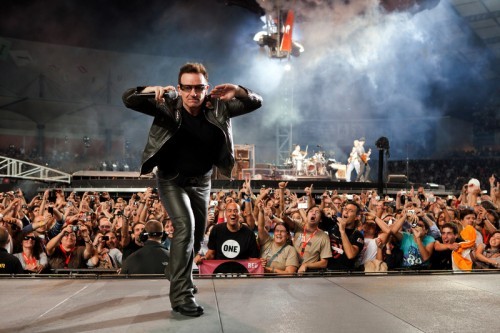
When you’re looking to get a ticket to see your favorite artists in concert, there are two avenues you can take: the official site or resale online. This creates two markets: the primary or official sale of tickets by the organizers, and the secondary market, which involves reselling by individuals, bots, or other third-party brokers.
In the United States, there is currently no federal law that prevents scalping. However, there is a growing push at the state level to address scalpers, most commonly when it comes to concert ticket prices.
Some states have made it illegal by requiring anyone selling or reselling tickets to hold a specific license, and Massachusetts State Senator Dylan Fernandes has proposed a bill titled “An Act to make Noah Kahan tickets affordable for the rest of us,” which would prevent tickets from being sold at higher than 110% of their original price.
Most recently, Washington DC now has one of the strictest anti-scalping laws in the country, with the RESALE Act banning bot scalpers, speculative tickets (when a ticket is listed for resale by a broker who does not actually possess a ticket yet), and instating a price cap of 10% on resale tickets.
While this kind of legislation has been backed by dozens of musicians, bands, and fans, there is some debate as to whether price caps are the most effective way to curb scalping and protect fans. A report by the US Government Accountability Office (GAO) found that “the caps generally are not effective because they are difficult to enforce,” and that they “could send resale activity underground, where there are fewer protections.” Other research corroborates the idea of price caps backfiring onto consumers, such as this 2025 study comparing ticket fraud rates in capped markets in Australia and Ireland with the U.K., which found that ticket fraud rates were higher in the capped markets.
There are other potential methods of curbing scalping, as seen most recently in the U.S. with the World Cup. FIFA introduced a new system of dynamic pricing, using an electronic system adjusting costs in real time to fans’ demand. While potentially effective at limiting overpriced resales, the dynamic pricing sparked huge backlash from fans, who saw ticket prices become unaffordable and “[transformed] the world’s most important soccer tournament into a two-tier, gentrified commodity.”
Collectible resale market
The gentrification of hobbies is not unique to event tickets. In nerdier spaces of gaming and collecting, scalping has been a known issue, taking the fun out of many beloved activities.
An article titled “The Hobbies Scalpers Are Ruining” published last year by GameRant puts the idea more eloquently than fan pages and Reddit discourse, saying, “More and more, people are being priced out of their pastimes by jerks looking to shake down dedicated fans. The idea of simply being able to pay fair market value is quickly becoming a notion of the past as we are being bludgeoned by our own FOMO by ruthless scalpers.”
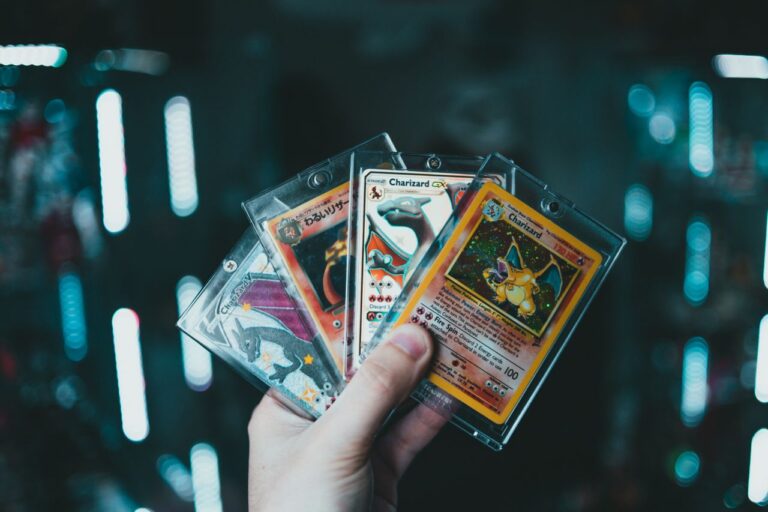
While trading cards have the biggest reputation for dealing with scalpers – including anything from baseball cards to Pokémon and Magic: The Gathering – there is much less regulation to deal with the issue beyond event tickets. This leaves businesses and fans to deal with the slowly-poisoned well themselves.
The Pokémon Company has undertaken an especially unique experiment to combat this issue, as in late July, it announced that it was introducing a mandatory facial recognition system at some of its locations in Japan, to better enforce its purchase limits that prevent scalpers from buying too much stock.
While fans acknowledge that scalping is “detrimental” to the trading card game, the response to this policy has been predominantly negative, with much of the criticism being around the overreach to people’s privacy. The policy states that the “face image data” will be properly managed and deleted “after a certain period of time,” a vagueness that has not addressed many concerns.
Outside of company-wide announcements, even local game stores find themselves caught in the crossfire between fans and scalpers. Mike Laza is one such small businessman who has been accused of scalping Pokémon cards, despite owning a game store, Funkatronic Rex, in North Phoenix and having a license to sell the cards.
“I’m not doing anything wrong, but it’s just indicative of how collecting changed post-pandemic,” Laza said in reference to the accusations.
“Before people collected out of joy,” but now, he says, many people only see the monetary value in these hobbies. “It fooled non-nerds or people who aren’t appreciating or playing the games into thinking this is just a market to suck the value and investment from.”