
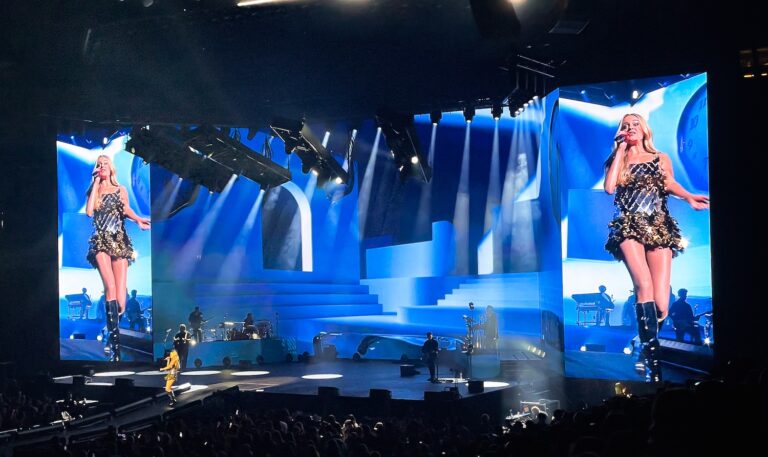
Last week, we talked about digital entertainment, so in a similar vein, today let’s look at some of the latest developments in live entertainment.
The potential breakup of Live Nation and Ticketmaster
In March, one week into a jury trial, Live Nation-Ticketmaster reached a settlement agreement with the Department of Justice (DOJ), which would allow the company to avoid breaking up (pending the court’s approval). However, the DOJ was only one of 40 plaintiffs involved in the lawsuit, and 34 of those plaintiffs didn’t agree with the terms and pressed on with the lawsuit. After another six weeks of trial, a federal jury found that the company was indeed operating an illegal monopoly and overcharging fans, once more opening the door for the company to potentially be broken up.
Critics of the DOJ decision to settle say the government is bowing to corporate influence and the deal is “an abuse of prosecutorial discretion.” A spokesperson for the DOJ said the deal was struck in order to seek “meaningful relief for consumers now” rather than wait for relief down the road. However, experts are skeptical about the true benefit to consumers, as it barely addresses many consumers’ frustrations with Ticketmaster’s fees.
Any remedies, or if the deal struck by the DOJ will be upheld, will be decided at a future trial sometime next year. In the meantime, a handful of Democrats held an unofficial hearing last week to indicate how they would continue pursuing the case should they win congressional power in the midterm elections this fall, but that doesn’t really do anything for concertgoers today. Until Congress passes new laws or a decision is made by the courts, fans are left to manage the rising cost of attending concerts on their own.
Blue dot fever
The number of tours planned for this year is staggering and includes a lot of very big artists, including Ed Sheeran, Harry Styles, and Ariana Grande. Unfortunately, the cost of concert tickets has risen 36% since 2019, with the average ticket costing $135.62 in 2025. So if you’re a fan of all of these artists, odds are that you will have to make the hard decision to forgo one tour in order to attend another, as the cost of attending them all simply isn’t in the budget for many consumers.
A number of artists who were set to begin touring this summer have recently announced that they will be canceling several shows or, in Meghan Trainor’s case, the entire tour. Reasons for the cancellations are varied. Post Malone canceled the first six shows of his tour, stating that he needed more time to finish his next album. Trainor said it was to spend more time with her family, and The Pussycat Dolls canceled the entire U.S. leg of their tour citing poor ticket sales.
This is where the newest term said to be impacting the live music industry comes in: blue dot fever. The phrase is named after the blue dots on Ticketmaster’s website that indicate unsold seats. While The Pussycat Dolls came right out and said the cancellations were due to low sales, many suspect that poor sales may also have factored into other artists’ decisions to cancel shows. Mid-level artists who play in larger arenas and amphitheaters are thought to be particularly vulnerable to “blue dot fever” as the logistics of a tour that size can quickly become unprofitable from a combination of rising fuel costs and a more competitive market of live events. As one expert told The Times: “The cancellation of these tours doesn’t necessarily mean these artists lack sellable capacity; it might just mean there’s a lot of competition in the marketplace.”